


How to Pair Tequila Tacos Like a Local Guide
October 23, 2026 | by
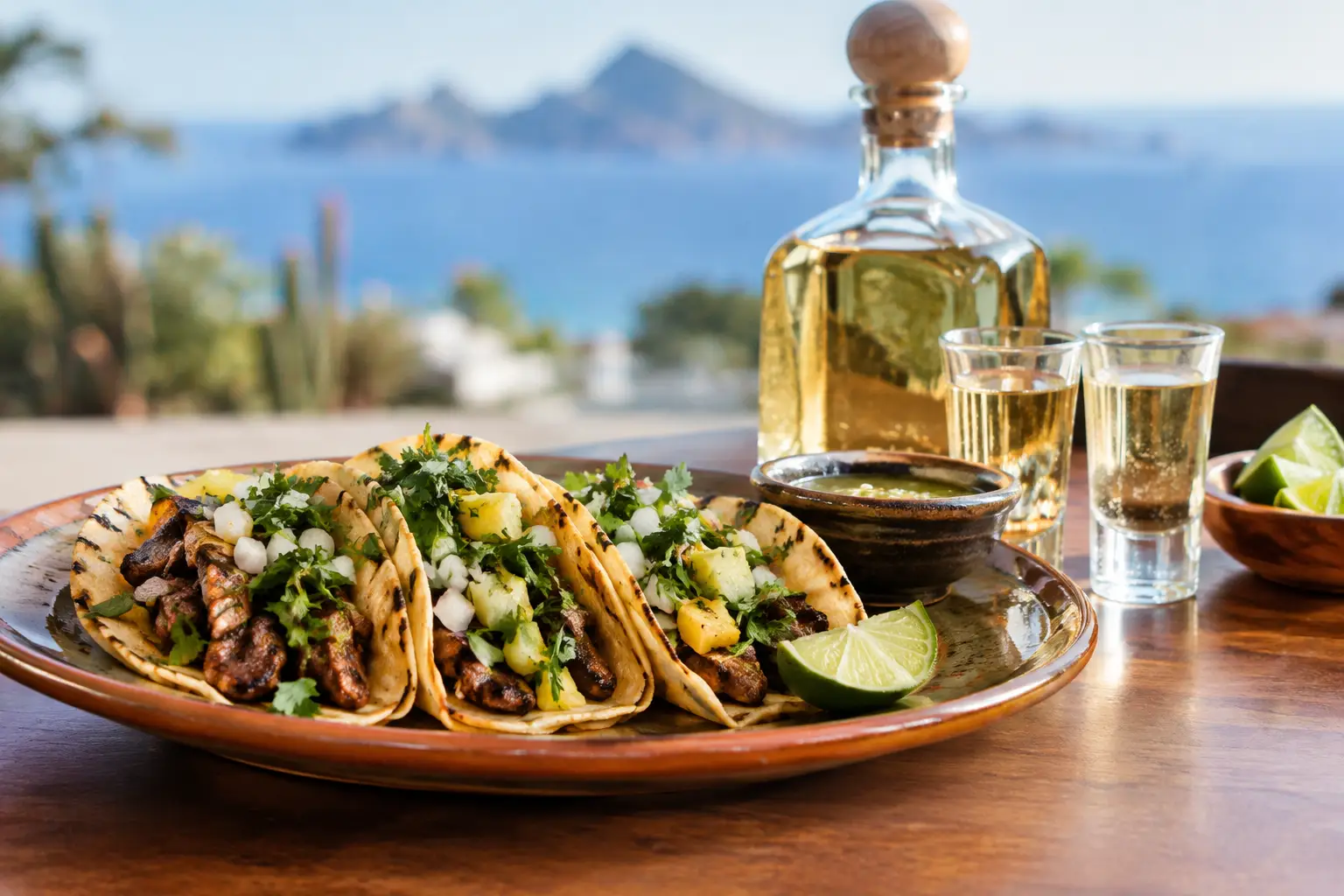
A great taco does not need a tequila poured beside it. But when the tortilla is warm, the salsa has a little bite, and the filling is fresh from the comal or grill, the right sip can make every flavor clearer. To pair tequila tacos well, think less about rules and more about balance: the richness of the meat, the heat of the salsa, the brightness of lime, and the character of the tequila.
In San Miguel de Allende, a taco can be a quick lunch, a late-night favorite, or the excuse for a long table full of friends. The best pairing is never about choosing the most expensive bottle. It is about paying attention to what is on the plate and enjoying it at an easy pace.
Start with tequila, not a sugary shot
Tequila is made from blue Weber agave, and the bottle style matters. A well-made tequila can taste peppery, herbal, citrusy, earthy, roasted, or gently sweet. Those notes come from the agave itself, the cooking and fermentation process, and, in some cases, time spent in oak barrels.
For tacos, begin with tequila served neat in a small glass, at room temperature or just slightly cool. Take a small sip before your first bite. You are looking for its personality, not trying to prove anything. Salt-and-lime shots have their place at a lively party, but they can cover up the flavors that make a careful pairing worthwhile.
There are three useful styles to know. Blanco is clear and usually unaged, so it shows the cleanest agave flavor. Reposado rests in oak for a short period and often brings soft vanilla, spice, or caramel notes. Añejo spends longer in barrel and is deeper, rounder, and more wood-forward. There are exceptions, of course. Every producer has its own style, which is part of the fun.
How to pair tequila tacos by flavor
The simplest approach is to match intensity. Light, fresh tacos generally like a bright tequila. Richer, roasted, or smoky fillings can handle a tequila with more body. Then consider the salsa. A sharp green salsa, a roasted red chile salsa, and a creamy avocado salsa can send the same taco in very different directions.
Blanco with fish, shrimp, and bright salsas
Blanco tequila is often the easiest place to start. Its fresh agave, pepper, and citrus-like notes work beautifully with fish or shrimp tacos, especially when there is cabbage, pico de gallo, cilantro, or a squeeze of lime. The tequila refreshes your palate between bites rather than adding more weight.
It also suits tacos filled with grilled vegetables, nopales, mushrooms, or squash blossoms when available. These fillings have delicate flavors that can disappear next to heavy oak. Choose a crisp blanco, take a bite, then sip. If the salsa is very hot, let the taco lead and keep the tequila small. High-proof tequila plus fiery chile can feel more intense than either one alone.
Blanco is also a fine companion for tacos al pastor. The pineapple, achiote, and pork bring sweet, savory, and tangy notes, while a clean tequila keeps the pairing lively. If the pastor is especially charred from the trompo, a lightly rested reposado can work too.
Reposado with pork, chicken, and roasted flavors
Reposado is the friendly middle ground. A little time in oak softens the edges of the tequila without hiding the agave, making it a natural match for tacos with grilled chicken, carnitas, barbacoa, or pork sausage. The gentle barrel spice can echo browned meat and toasted corn tortillas.
Try reposado with carnitas dressed simply with onion, cilantro, salsa verde, and lime. The pork is rich, but not too heavy, and the tequila’s vanilla or baking-spice notes can bring a pleasing contrast. With chicken tacos, reposado is especially good when the meat has been grilled over charcoal or served with roasted salsa.
This is where toppings matter. Pickled onions and fresh herbs brighten a richer taco, while guacamole adds creaminess. If the taco has a creamy element, reposado often feels smoother than blanco. If it is covered in a bright, acidic salsa, return to blanco or select a reposado that still tastes fresh and peppery.
Añejo with beef and slow-cooked tacos
Añejo tequila is not the automatic “best” tequila just because it has aged longer. Its oak, dried fruit, cocoa, and caramel-like notes can be delicious, but they can overwhelm a simple taco of beans and salsa. Save it for tacos with serious depth: slow-cooked beef, birria, roast lamb, or a rich braised filling.
For a beef taco with a darker chile sauce, añejo can bring warmth and length to the meal. Sip it slowly after a bite rather than trying to match every mouthful. If the taco comes with consommé, the pairing can be especially satisfying on a cool evening, though a reposado may be the better choice if the broth is delicate.
There is a trade-off. A very old, heavily oaked añejo can taste closer to a barrel-aged spirit than to bright agave. Some people love that richness; others miss the fresh, grassy character that makes tequila feel so connected to the plant. Neither preference is wrong. Taste side by side when you can.
Let salsa guide the pour
The filling gets most of the attention, but salsa often decides the pairing. A raw green salsa with tomatillo, serrano, and cilantro calls for a fresh blanco. A roasted tomato salsa with dried chiles can stand up to reposado. A dark, smoky salsa made with charred ingredients may be delicious with a fuller reposado or a modest pour of añejo.
Heat changes the experience. Alcohol can make chile feel hotter, particularly if you are drinking quickly. When a salsa has real fire, reach for water alongside your tequila and choose a lower-proof, softer style. The goal is to taste the taco, not numb your tongue before the second one arrives.
And do not forget the tortilla. Fresh corn has sweetness, earthiness, and a faint toasted aroma. A good tequila should complement that flavor, not erase it. This is one reason a small pour works better than a large glass. You can keep returning to the food.
A simple tasting order at the table
If you have several tacos and more than one tequila, start light and move toward richer flavors. Begin with a vegetable, fish, or shrimp taco and a blanco. Move to chicken, pork, or pastor with reposado. Finish with beef, braised meat, or a taco with deeper roasted flavors alongside añejo.
Keep the portions relaxed. A tasting pour is plenty, and water belongs on the table from the beginning. Eat first, sip slowly, and give each pairing a moment before adding another salsa. This is also the best way to notice small details: how a lime wedge changes the tequila, how an onion pickle wakes up pork, or how a roasted tortilla adds sweetness to a savory filling.
At Unforgettable Culinary Traditions, we love seeing guests realize that Mexican food is not one flavor and tequila is not one drink. Both are full of regional ingredients, family habits, skilled hands, and personal preferences. A taco pairing should feel welcoming, not like an exam.
The next time you sit down with tacos and tequila, choose one combination that sounds good, take your time, and trust your own palate. The best pairing may be the one that makes you reach for one more bite before the next sip.
RELATED POSTS
View all

Vegetarian Mexican Dishes Worth Ordering
October 25, 2026 | by
What to Expect on a Tequila and Mezcal Tasting Tour
September 1, 2026 | by

San Miguel Dining: How to Eat Like a Local
October 11, 2026 | by