Tequila and Mezcal Tasting in San Miguel de Allende: A Guide for Curious Travelers
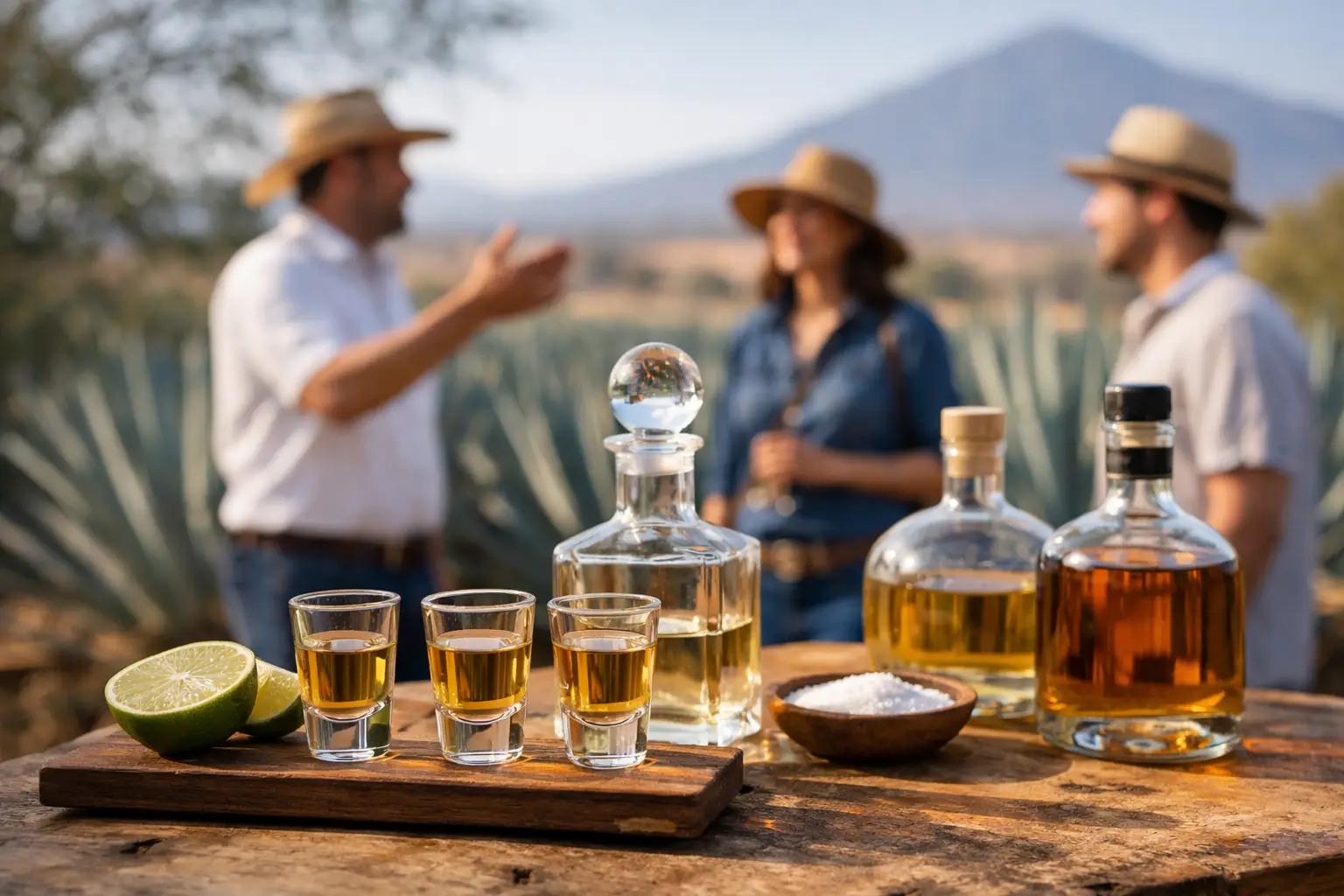
The first clue that a tequila tasting is going to be memorable is not the bottle on the table. It is the aroma rising from the glass: roasted agave, warm earth, citrus peel, pepper, sometimes a little vanilla or cooked fruit. A proper tequila and mezcal tasting in San Miguel de Allende gives that first sip a setting, a story, and, ideally, something delicious to eat alongside it.
For travelers in San Miguel de Allende, tequila and mezcal can be much more than celebratory shots at the end of dinner. Both spirits are deeply connected to Mexican food, agriculture, tradition, and craftsmanship, but they are not the same. Understanding the differences makes tasting them much more interesting, especially when you enjoy them alongside tacos and other Mexican dishes.
The right experience is lively and social, but it should also help you understand what is in your glass and why it tastes the way it does.
Tequila Starts With Agave
Tequila is made from blue Weber agave, a spiky plant that is not a cactus, despite what many first-time visitors assume. To make tequila, skilled harvesters called jimadores remove the plant’s long leaves and reveal the piña, the dense heart of the agave.
These piñas are cooked, crushed, fermented, and distilled before the spirit ever reaches a bottle or a restaurant bar.
That process matters because it gives tequila its personality. A quality blanco may smell fresh and green, with cooked agave at the center. Another may lean brighter, with citrus, herbs, and black pepper. Aged tequilas can carry notes of caramel, toasted oak, baking spice, or dried fruit, but agave should still have something to say.
A good host does not make tequila sound intimidating. They help you notice the difference between a tequila that tastes naturally expressive and one that is heavily flavored, overly oaked, or simply hot with alcohol. There is room for personal preference here. Some guests fall in love with the crisp character of blanco. Others prefer the rounder texture of reposado or añejo. There is no prize for choosing the most expensive bottle.
And Then There Is Mezcal
If tequila is the spirit many visitors expect to find in Mexico, mezcal is often the one that surprises them.
Mezcal can be made from many different varieties of agave, depending on where it is produced and the traditions of the region. That broader range of agave, production methods, and geography gives mezcal an enormous variety of aromas and flavors.
And yes, mezcal can be smoky. But that is not the whole story.
Depending on the agave and production method, you may find roasted fruit, earth, herbs, minerals, citrus, flowers, pepper, dried fruit, or a long, savory finish. Some mezcals are intensely smoky, while others are surprisingly delicate. If you have tried one mezcal and decided you do not like mezcal, you have probably not tried enough of them.
This is also where mezcal can become more expensive than tequila. Exceptional artisanal and small-production mezcals can command very high prices because of the agave variety, years required for the plant to mature, traditional production methods, limited quantities, and the work involved in making them. Some bottles cost far more than many premium tequilas.
That does not automatically make mezcal better. It makes the category much more diverse and, in many cases, more unusual. For travelers who enjoy discovering new flavors, that variety is part of the attraction.
Tequila and Mezcal Are Different Experiences
Tequila and mezcal both begin with agave, but their differences become obvious once you taste them side by side.
Tequila often shows a clearer, brighter expression of cooked blue Weber agave, with citrus, pepper, herbs, or oak depending on the style. Mezcal can be more earthy, mineral, herbal, fruity, or smoky, depending on the agave and how it is produced.
Neither spirit is automatically better.
A crisp blanco tequila can be wonderful with a taco topped with fresh salsa and lime. A complex mezcal may work beautifully with roasted meats, earthy vegetables, mole, or dishes with deeper chile flavors. Sometimes the best pairing is the one you did not expect.
That is why tasting both is so much more interesting than simply deciding whether you “like tequila” or “like mezcal.”
The Tequila Styles You May Encounter Blanco: Bright and Full of Agave
Blanco tequila is generally bottled soon after distillation or rested only briefly. It is the place to meet the cooked agave itself.
A well-made blanco can be wonderfully complex, with floral, mineral, vegetal, peppery, or citrusy notes. It can also be a beautiful companion to fresh salsas, ceviche, or tacos with a squeeze of lime.
Because blanco has little or no oak influence, it can reveal the character of the tequila particularly clearly.
Reposado: A Little Rest Changes the Conversation
Reposado means “rested.” This tequila spends time in oak barrels, adding color and often bringing notes of vanilla, caramel, or gentle spice while allowing the agave character to remain present.
Reposado is often a crowd-pleaser because it sits between fresh and rich. It can be excellent with grilled meats, mushrooms, mole, or tacos filled with slow-cooked pork.
Barrel influence varies widely, though. One reposado may be delicate and agave-forward, while another may show much more wood and vanilla.
Añejo and Extra Añejo: Depth and Patience
Añejo tequila spends at least a year in oak, while extra añejo is aged for at least three years. These styles tend to have deeper color, richer texture, and more noticeable barrel influence.
Think toasted nuts, cocoa, dried fruit, baking spice, and wood, depending on the tequila and the barrel.
They are lovely to sip slowly after a meal, but older does not automatically mean better. If you love the earthy, fresh character of agave, an intensely oaked tequila may actually feel less interesting to you.
How to Taste Tequila and Mezcal Without Turning It Into Homework
Forget the old routine of salt, shot, lime. That ritual has its place at a party, but it can mask the flavors you traveled to experience.
For a tasting, take a small sip and give it time.
First, look at the spirit. Color can tell you something about aging in tequila, although it does not tell the entire story. Then bring the glass to your nose gently. Do not plunge your face into it and inhale like you are inspecting a bouquet of roses. Alcohol vapors can overwhelm your senses. Take a few short, relaxed breaths above the rim.
When you sip, let the spirit move across your tongue before swallowing. Notice its texture. Is it light, silky, oily, crisp, or warming? What flavor arrives first? What stays after the sip?
The best conversations at a tasting are often wonderfully specific: “This one smells like roasted pineapple.” “I get pepper and green herbs.” “That mezcal reminds me of wet earth after rain.”
You do not need a professional vocabulary. You only need curiosity and the willingness to compare.
Why Food Makes the Experience Better
Tequila, mezcal, and Mexican food belong at the same table.
The spirit’s sweetness, acidity, peppery character, earthiness, or barrel notes can highlight a dish in surprising ways. A crisp blanco may cut through the richness of carnitas. A reposado can echo the toasted flavors in a grilled taco. A complex mezcal can work beautifully with roasted ingredients, mole, mushrooms, or dishes with deeper chile flavors.
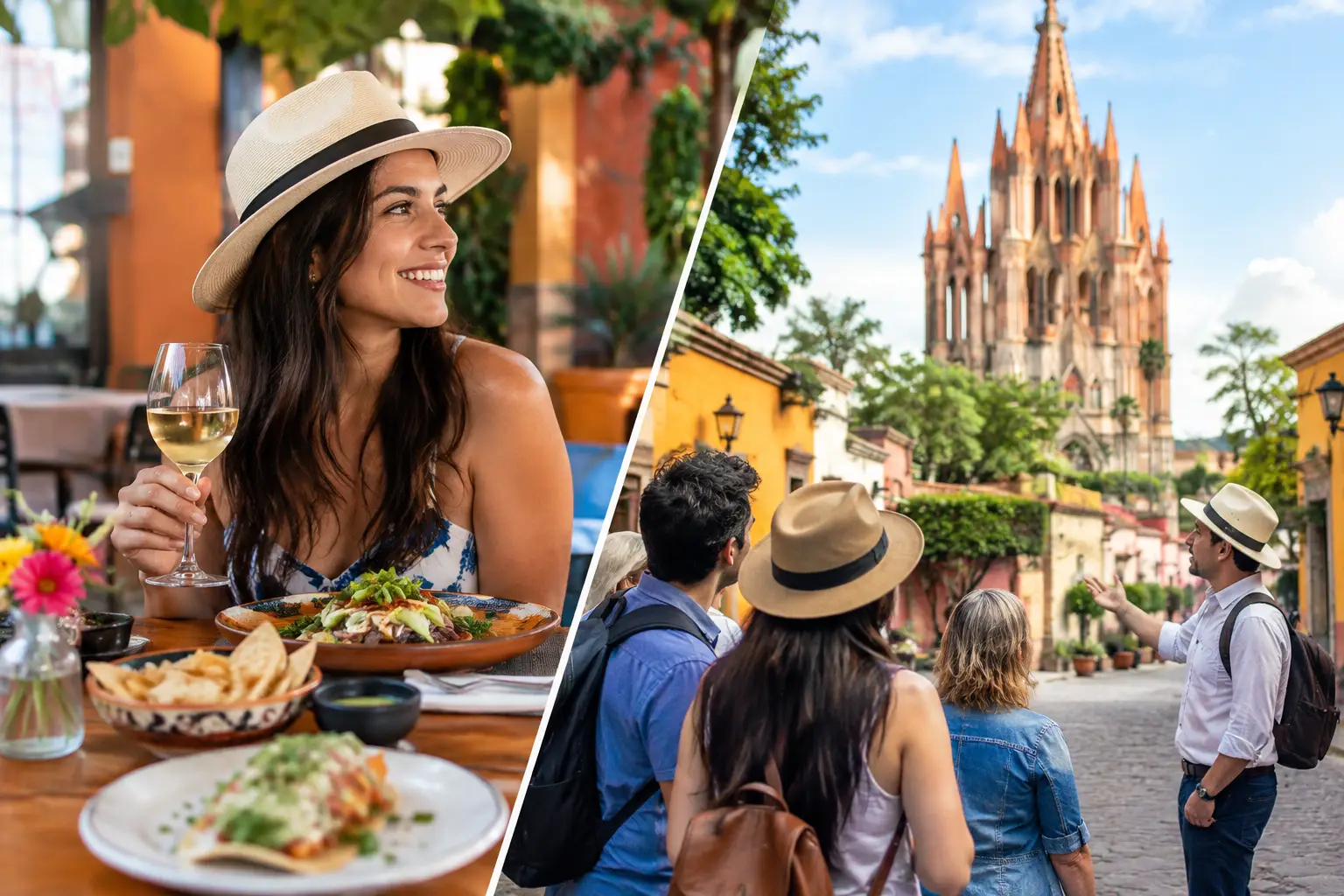
This is where a tasting in San Miguel de Allende becomes more than a flight of spirits. The city is full of cooks, chefs, market vendors, and restaurant teams who understand that Mexican cuisine is not one flavor. It is regional, seasonal, and built on techniques passed between generations.
When tequila or mezcal is enjoyed alongside carefully chosen food, you begin to understand why these spirits belong so naturally at the Mexican table.
At Unforgettable Culinary Traditions, our Taco, Tequila & Lotería Tour brings that spirit of discovery to the table. Guests enjoy tacos, tequila, mixology, and the playful tradition of Lotería while learning more about the food and drinks they are experiencing. Education should never take the joy out of a great evening.
What Separates a Great Tasting From a Tourist Trap
A tequila or mezcal tasting should be generous with both flavor and context, but quality is not measured by how quickly the glasses arrive.
Look for an experience where your host can explain what you are tasting, how the spirit is produced, and why it works with the food. A good pace allows everyone to enjoy the conversation without turning the evening into a competition over who can drink the most.
The best experiences also respect your comfort. Tell your host about dietary needs or food allergies before the tour, eat normally during the day, and never feel pressured to finish a pour if you have had enough. A professional host wants you to have a great night and a great next morning.
Be cautious with tastings that focus only on expensive labels, high-proof bravado, or a sales pitch. A beautiful bottle can be a fine purchase, but a meaningful tasting teaches you how to recognize flavor, production, and balance for yourself.
A Few Smart Ways to Prepare
Have a normal meal earlier in the day and drink water throughout the afternoon. Wear comfortable shoes if your tasting includes a walk between stops, and keep the rest of your evening flexible.
If you normally order margaritas, say so. A knowledgeable host can help connect the tequila in your favorite cocktail with the sipping styles you are trying.
If you think you dislike tequila because of one rough college memory, say that too. You may discover that what you disliked was not tequila itself, but a rushed shot of a low-quality spirit.
And if you think you dislike mezcal because it is “too smoky,” give it another chance. Try a different style and pay attention to the flavors beyond the smoke. You may find that the agave, fruit, herbs, minerals, or earthy character are what make it interesting.
Ask about the agave, the production method, the barrel when applicable, and what makes one spirit different from another. Ask which food pairing surprised your host most. Those questions often lead to the stories travelers remember: the producer, the agave, the local cook, the regional dish, and the moment a familiar drink suddenly tastes entirely new.
When the evening ends, you may still have a favorite tequila or mezcal, but you will also have a better instinct for why you chose it.
That is the real souvenir: a sip that brings back the flavors, laughter, and generous table of San Miguel de Allende.

Leave a Reply