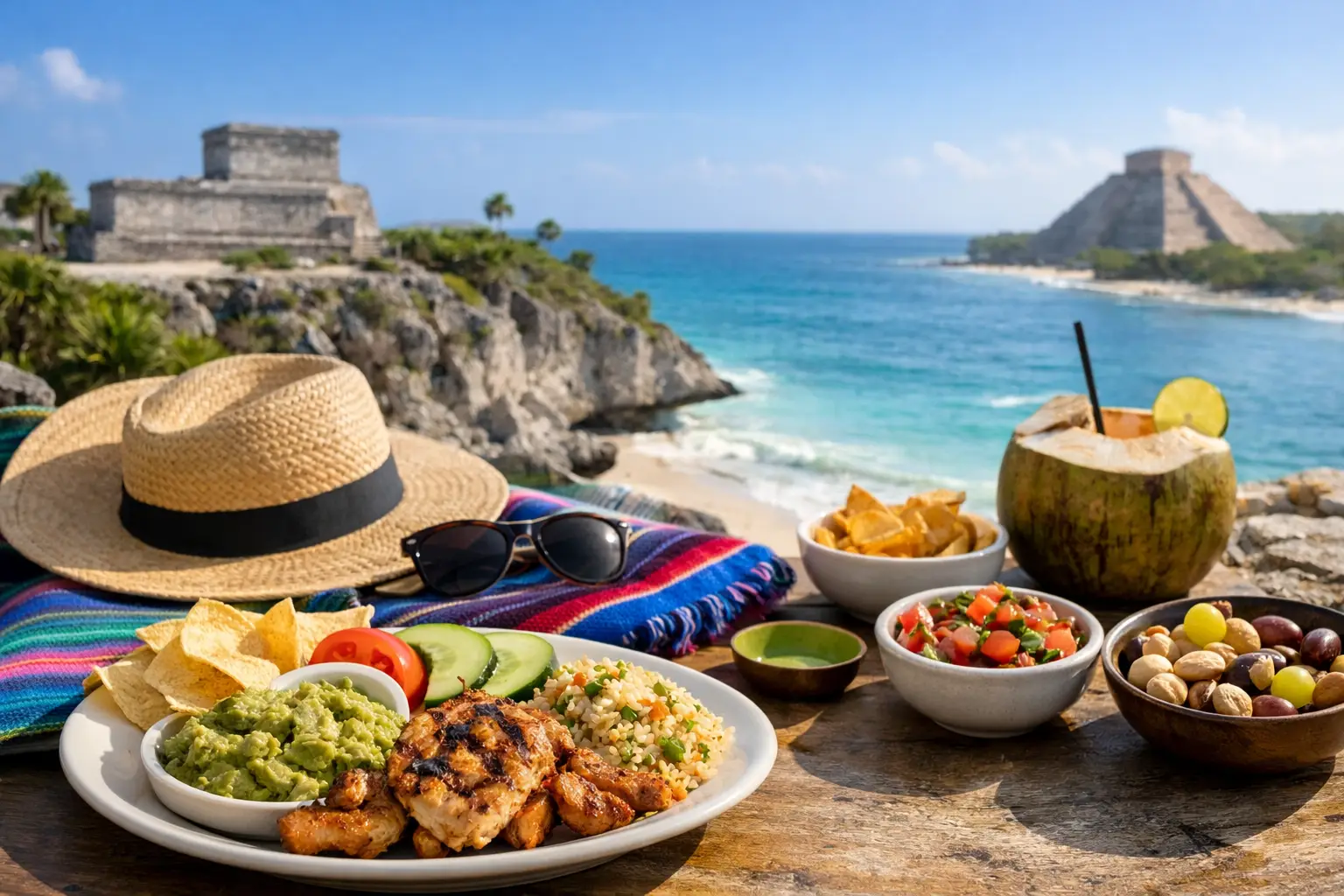
A perfect taco should make you think about the salsa, the warm tortilla, and whether one more is a very good idea. It should not make you wonder what was in the cooking oil. For travelers seeking food allergy friendly tours Mexico can feel wonderfully abundant, but only when the experience is planned with real care, clear communication, and respect for the seriousness of an allergy.
Mexico is not a place where travelers with food allergies need to settle for bland meals or watch everyone else eat. It is a country of extraordinary regional cooking, fresh ingredients, and cooks who take pride in feeding people well. The key is choosing an experience that treats your dietary needs as part of the itinerary, not as an awkward surprise at the table.
What Makes a Food Tour Allergy Friendly?
An allergy-friendly tour is not simply a tour that says, “We can accommodate you.” The best operators ask specific questions before you arrive, speak directly with restaurants and vendors, and build a realistic plan around what each kitchen can safely prepare.
That distinction matters. A dairy-free guest may be able to enjoy many dishes with a simple adjustment. A guest with celiac disease, a shellfish allergy, or a severe peanut allergy may need much more careful attention to shared fryers, sauces, masa preparation, stocks, garnishes, and serving utensils. A thoughtful guide understands that “sin gluten” or “sin nueces” is the beginning of a conversation, not the end of one.
In San Miguel de Allende, where meals often move from a neighborhood market to a family-run restaurant and a polished dining room, advance coordination can make all the difference. It allows the guide to select the right stops, reserve tables, and make sure every tasting has a genuine place in the meal rather than becoming an afterthought.
Food Allergy Friendly Tours in Mexico Start Before You Travel
Share your allergy when you book, not when the first plate lands on the table. Give the tour company as much useful detail as possible: the ingredient or ingredients you must avoid, the severity of your reaction, whether cross-contact is a concern, and whether you carry medication such as an epinephrine auto-injector.
It also helps to explain what you can safely eat. Instead of only saying, “I cannot have dairy,” you might add that corn tortillas, grilled meats without butter, beans prepared without cheese, and fruit are usually comfortable choices when prepared separately. This gives the kitchen a clearer path toward delicious alternatives.
For serious allergies, ask whether the operator will contact each participating venue in advance. Restaurants can vary widely. One may make tortillas fresh on a dedicated comal, while another works in a compact kitchen where flour, dairy, or shellfish are used throughout the day. Neither is inherently better, but you deserve an honest answer about the environment.
A short list of questions can reveal whether a tour is prepared to host you well:
- Can you tell me which tastings can be modified and which cannot?
- Will you confirm my allergy directly with every restaurant or food artisan?
- Do you ask about shared fryers, cooking surfaces, oils, and utensils when needed?
- Is there a satisfying replacement if a signature dish is not safe for me?
- Can my guide help communicate my needs again at each stop?
The right answer is not always “yes to everything.” Sometimes the safest and most professional answer is that a particular stop cannot accommodate a request. A strong tour company will tell you that early and offer a different route, a substitution, or a recommendation for a more suitable experience.
Know the Mexican Ingredients That Deserve a Second Question
Mexican cuisine offers a great deal of natural flexibility, especially with corn, beans, vegetables, chiles, fruit, grilled meats, and salsas. Yet beloved dishes are layered, and those layers deserve a little detective work.
Mole, for example, is much more than a dark sauce. Depending on the recipe, it may contain nuts, seeds, chocolate, bread, crackers, animal stock, or thickening ingredients that vary by cook and region. A mole tasting can be an unforgettable culinary lesson, but it is not the moment for assumptions. Ask about each preparation individually.
For guests avoiding gluten, corn tortillas are often an excellent option, but not automatically a guarantee. Confirm that they are truly corn, ask about shared grills or fryers, and remember that flour tortillas may be prepared nearby. For dairy allergies, watch for crema, queso fresco, butter, and cheese tucked into beans, sauces, mashed vegetables, and garnishes. For shellfish allergies, ask about seafood stocks, mixed grills, and shared cooking oil, especially in coastal destinations.
Sesame and nuts can appear in sauces, candies, pastries, and moles. Peanuts may show up in snacks or salsas. Eggs can hide in breads, batters, mayonnaise, and desserts. None of this should scare you away from Mexican food. It simply explains why an informed guide and a kitchen conversation are worth more than a generic dietary label.
Language Helps, but Specificity Helps More
A few Spanish phrases are useful, especially when you are eating independently. “Tengo alergia a…” means “I am allergic to…” and “¿Tiene…?” means “Does it contain…?” You can also ask, “¿Se cocina en la misma plancha o aceite?” for “Is it cooked on the same grill or in the same oil?”
Still, translation alone cannot assess a kitchen’s practices. The word “alergia” is widely understood, but the response may depend on a server’s knowledge of a recipe and the pace of service. That is why chef-led and locally rooted tours offer an advantage: your host knows the food, knows the people preparing it, and can ask better follow-up questions in the moment.
At Unforgettable Culinary Traditions, allergy accommodations are handled through advance conversation because every guest and every restaurant situation is different. That is the hospitality standard travelers should look for anywhere in Mexico: care without drama, good information without false promises, and a meal that still feels generous.
Choose the Right Type of Tour for Your Needs
Not all food tours are equally easy to adapt. A small-group experience with reserved seating and a measured pace is often more manageable than a large, fast-moving tour with many walk-up vendors. With fewer guests, a guide can verify dishes, remind servers about your needs, and make thoughtful swaps without holding up a crowd.
A progressive dinner can be a wonderful choice for an allergy-aware traveler because each course is planned and each restaurant has time to prepare. A market-focused tour can also be excellent if it emphasizes education and selected tastings rather than asking guests to sample everything in sight. On the other hand, a street-food crawl built around spontaneous ordering may be less predictable, particularly for severe allergies.
This does not mean street food is off-limits. Some of Mexico’s most memorable dishes are served from small stands with a short menu and a cook who makes one specialty beautifully. The trade-off is that compact workspaces can make cross-contact difficult to control. Your comfort level, allergy severity, and the vendor’s setup should guide the decision.
Bring Your Own Safety Plan to the Table
Even with an attentive guide, travelers remain their own best advocates. Carry your prescribed medication, keep it accessible rather than buried in a hotel bag, and know how to use it. If you have a severe allergy, travel with companions who understand your emergency plan.
It is also wise to eat a small, safe snack before a tour. That way, if a tasting must be skipped, you are not pressured into taking a chance because you are hungry. Keep a photo or written card in Spanish listing your allergens and the level of caution required. It can be especially helpful for airport meals, hotel breakfasts, and independent dinners.
Most importantly, speak up without apology. A warm host will not see your questions as difficult. Feeding guests is a point of pride in Mexico, and clear communication gives your guide and your hosts the chance to care for you properly.
The goal is not to make your Mexico trip feel restricted. It is to make room for the pleasures that brought you here: a spoonful of fragrant salsa you can enjoy confidently, a table full of stories, and a meal in San Miguel that feels like a welcome rather than a worry.


Leave a Reply