A perfectly grilled taco from a busy neighborhood stand can be one of the great joys of San Miguel de Allende. It can also bring up a fair question, especially for first-time visitors to Mexico: are guided tastings safe? The short answer is yes, when the experience is thoughtfully run. A good food tour does not ask you to gamble on every tempting dish you pass. It gives you local context, a carefully paced route, and someone who knows which kitchens, markets, and family-run specialties deserve your appetite.
Safety is not about making Mexican food feel timid or sanitized. It is about enjoying the real thing with good judgment, clear communication, and the relaxed confidence that comes from being welcomed by someone who knows the neighborhood.
Are Guided Tastings Safe for Visitors to San Miguel?
A professionally led tasting is often a more comfortable choice than trying to build a food crawl alone, particularly when you have just arrived, do not speak much Spanish, or are unsure how to read a restaurant from the sidewalk. A knowledgeable guide has relationships with the places on the route and understands the rhythm of the meal: where to begin, what to order, and how much to taste so you still have room for the dish everyone is talking about two stops later.
The best guides choose establishments for more than a pretty dining room or a famous name. They pay attention to consistency, ingredient handling, cleanliness, freshness, and the people behind the food. A lively stand with a line of local regulars and food cooked continuously can be a far better bet than a quiet place with a menu designed only to look familiar to tourists.
That said, no tour company can promise that every traveler will react exactly the same way to a new cuisine, a strong chile, or a rich meal. Food safety and personal comfort are related, but they are not identical. A dish can be safely prepared and still feel too spicy, too rich, or too adventurous for your particular stomach. A strong guide helps guests make informed choices without draining the fun out of the evening.
What a Responsible Food Tour Plans For
Great culinary hosting begins long before the first salsa hits the table. The details may not be glamorous, but they are what let guests relax and enjoy the delicious parts.
Food sourcing and preparation
Trusted tasting routes work with restaurants, vendors, and artisans whose food is prepared with care. Guides should be able to tell you what you are eating, how it is traditionally made, and whether a dish includes common concerns such as dairy, nuts, shellfish, pork, or alcohol.
Freshness matters in every country, and Mexican cooking offers plenty of reassuring signs. A busy taquería may roast meat to order, turn over tortillas rapidly, and replenish salsas throughout service. At a market, your guide can point out how ingredients are selected and used, rather than leaving you to guess which stall sells what. This is part of the cultural education guests come for: understanding why a particular broth, mole, or taco is prepared a certain way.
Dietary needs and allergies
If you have a food allergy, tell the tour operator before booking, not when the first course arrives. The same goes for celiac disease, vegetarian or vegan preferences, diabetes, pregnancy-related restrictions, and medical dietary requirements. A careful operator can discuss whether the route is appropriate and what substitutions may be possible.
There is an honest trade-off here. Mexican food is wonderfully flexible in some ways, but certain traditional preparations are not easily changed. A mole may contain nuts, seeds, chocolate, and ingredients prepared in a shared kitchen. Corn tortillas are naturally gluten-free, yet they can be warmed or handled near wheat products. Vegetarian food can also be cooked with lard or chicken stock unless specifically prepared otherwise.
Clear communication is the safety tool. Never assume that “no meat” means vegan, or that “mild” means free of ingredients that could cause an allergic reaction. If an allergy is severe, ask direct questions about cross-contact and decide with your medical professional whether a multi-stop tasting experience is suitable for you.
Alcohol and good pacing
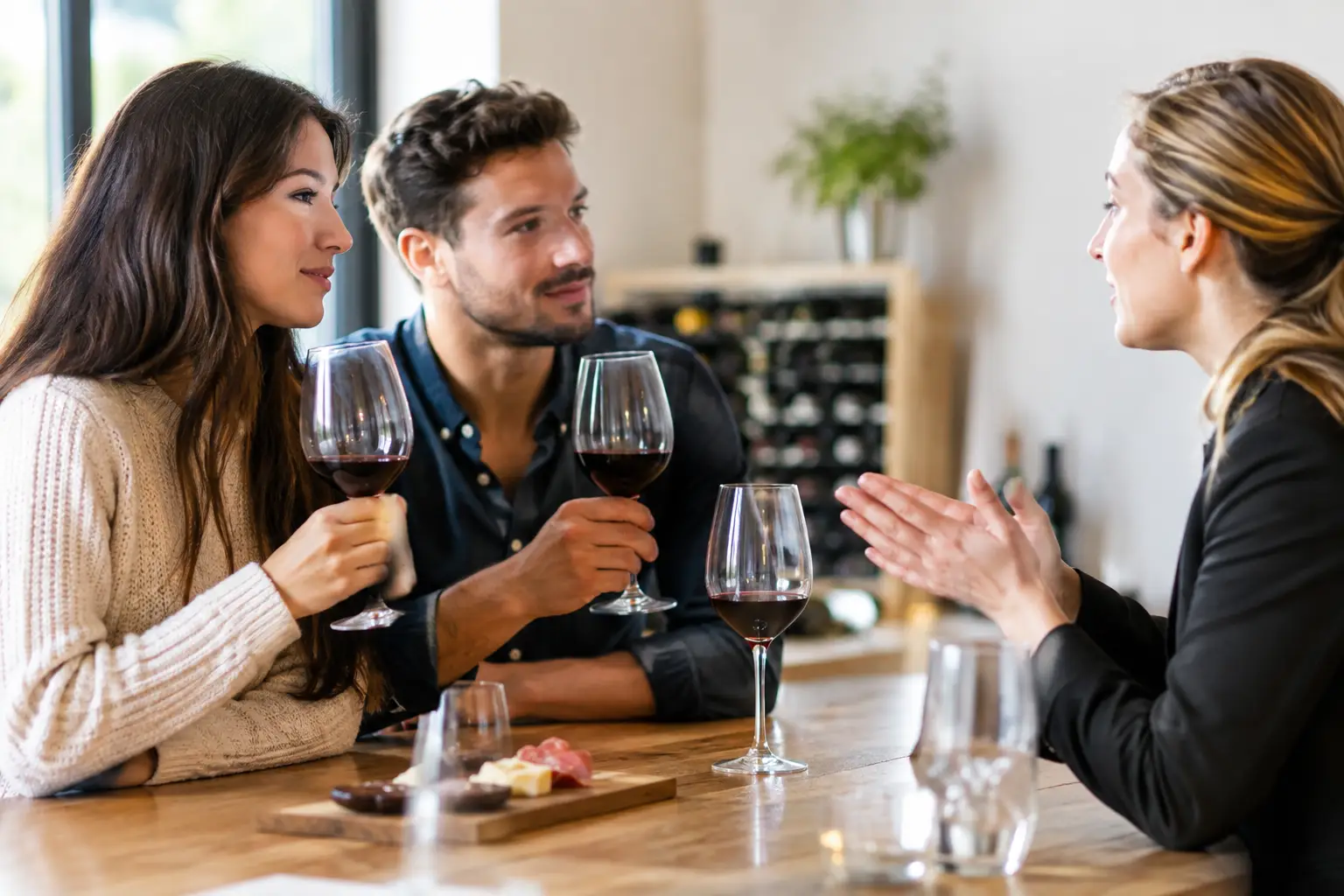
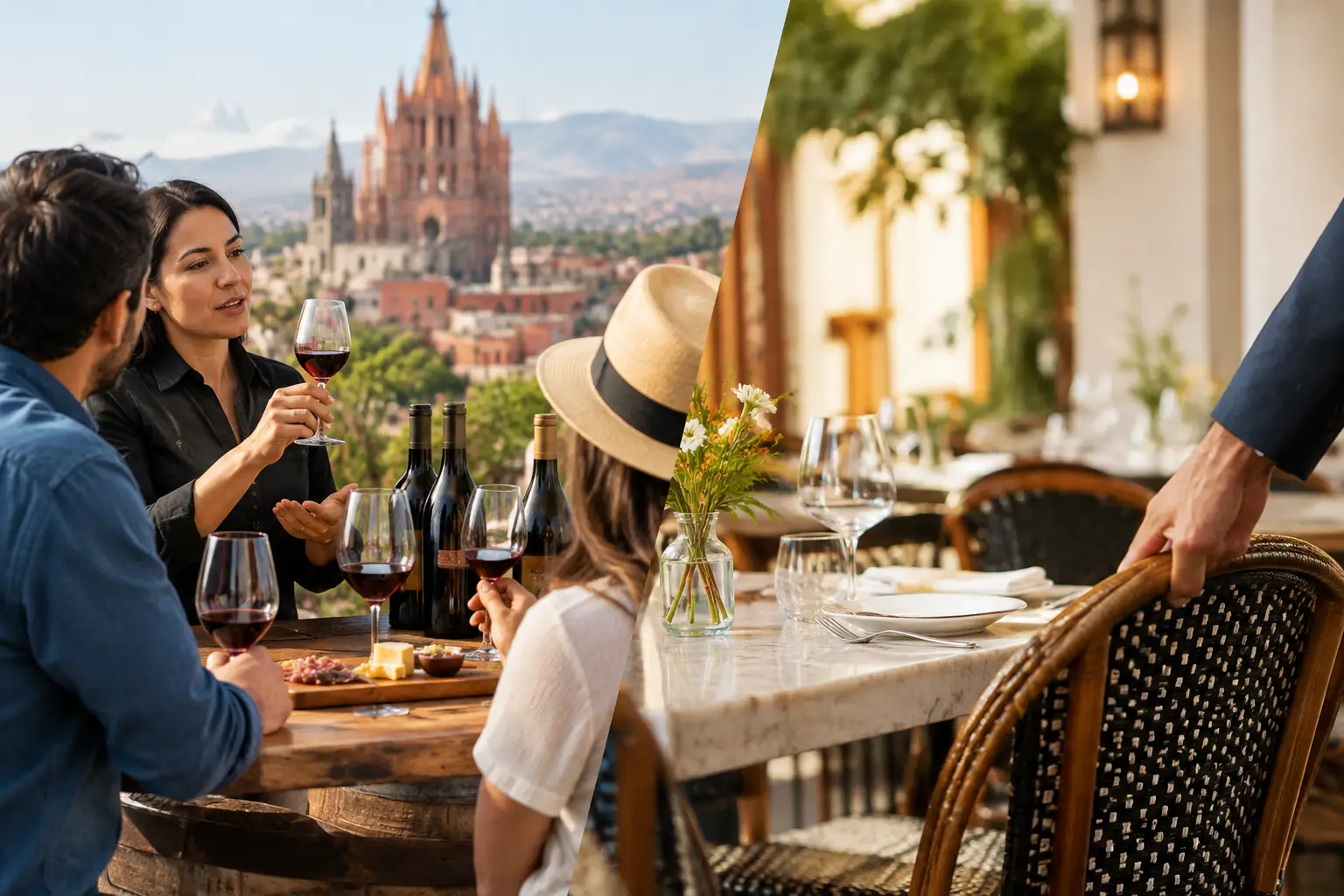
Tequila and mezcal tastings can be joyful, educational, and much more interesting than simply ordering a large pour. They should also be paced responsibly. A good host explains what is in the glass, encourages sipping rather than rushing, and makes sure alcohol is accompanied by food and water.
You are never required to drink to enjoy Mexican spirits education. Ask for a smaller taste, skip a pour, or choose a nonalcoholic option when available. This matters even more in San Miguel’s high elevation, where visitors may feel alcohol sooner than expected, especially after a day in the sun.
The same common sense applies to the rest of your evening. Eat breakfast before a morning tour, stay hydrated, and avoid arriving already dehydrated from travel. A food experience should leave you happily full, not uncomfortably overextended.
Walking, Streets, and the Real Rhythm of the City
San Miguel de Allende is beautiful because it is historic, hilly, and full of cobblestone streets. Those same qualities can make walking more demanding than a map suggests. Sensible shoes are not a boring travel tip here – they are your ticket to enjoying the next restaurant instead of watching your feet all night.
Before reserving, check the tour duration, walking distance, start and finish points, and whether transportation is included. Let the operator know about mobility concerns, recent injuries, or whether you use a wheelchair or other assistive device. Accessibility is not a single yes-or-no question. A route may have wide entrances but uneven sidewalks, or a restaurant may be welcoming while the route between stops needs vehicle support.
For guests who want the flavors without a long walk, an accessible, wheel-friendly food experience with transportation can make all the difference. At Unforgettable Culinary Traditions, the point is not to rush guests through a checklist of bites. It is to make room for the stories, the chefs, the questions, and the pleasure of the meal.
Even on an easy route, stay aware of your surroundings. Keep valuables secure, use a small bag that closes well, and follow your guide’s instructions when crossing streets or moving as a group. These are ordinary city-travel habits, not reasons to be nervous.
How to Choose a Safe Guided Tasting
Look past glossy food photos and read the practical details. Does the company describe its group size, pacing, types of venues, and approach to dietary requests? Are guides experienced local hosts with genuine culinary knowledge, rather than people reciting a few menu facts? Do guest comments mention organization, cleanliness, thoughtful accommodations, and feeling well cared for?
It is also worth asking how the itinerary is handled. Some flexibility is a good sign because restaurants close, markets change, and the best seasonal ingredient may not be the one available last month. But flexibility should not mean chaos. You want a host who can adapt without leaving guests stranded or replacing a meaningful tasting with whatever is easiest.
Be wary of anyone who dismisses questions about allergies, alcohol, or mobility. Hospitality means taking those questions seriously. The right answer may occasionally be, “This particular experience is not the best fit,” and that honesty is far more valuable than a careless yes.
A Few Smart Things to Do Before You Go
Arrive with your dietary information written down, including the seriousness of any allergy. Wear closed-toe or supportive shoes, bring sun protection for daytime experiences, and carry water. Keep your phone charged, but give yourself permission to put it away once the food arrives. A guided tasting is not only a photo opportunity. It is a chance to notice the texture of a hand-pressed tortilla, the aroma of toasted chiles, and the small rituals that make a neighborhood restaurant feel like a neighborhood restaurant.
If you are concerned about drinking water, ask your host what is served at each stop and follow the same practical habits you would use while traveling anywhere new. Choose beverages you are comfortable with, do not overdo alcohol, and speak up early if something does not feel right.
The most memorable meals usually happen when curiosity and caution share the same table. Choose a guide who treats your well-being as part of the welcome, then bring an open mind, a healthy appetite, and enough room for one more taco.

Leave a Reply