

How to Explore Food Neighborhoods Like a Local
November 6, 2026 | by
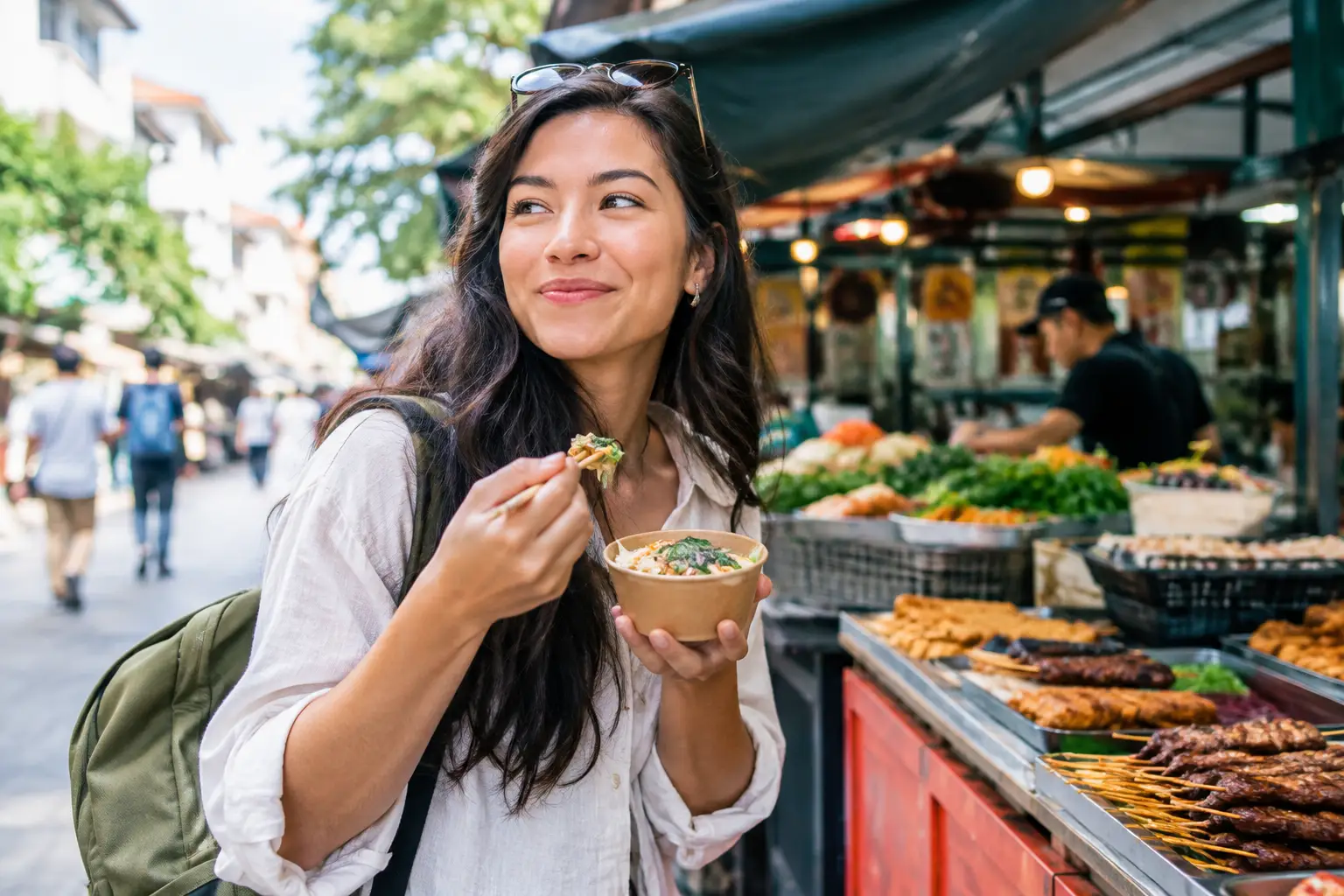
A food neighborhood tells you what it loves before you take your first bite. You see it in the busy tortilla stand with a line of regulars, the market stall arranging herbs before lunch, and the café where neighbors greet each other by name. If you are wondering how to explore food neighborhoods without falling into tourist-trap dining, start by slowing down enough to notice those small signals.
In San Miguel de Allende, some of the most memorable meals are found at a family-run breakfast counter, a longtime neighborhood restaurant, or a table where a cook has prepared the same dish for decades. You do not need the fanciest dining room or the longest list of recommendations. The goal is to understand a place one delicious stop at a time.
Start With a Neighborhood, Not a Restaurant List
A long list of must-eat places can be useful, but it can also send travelers zigzagging across town, arriving hungry and rushed. Instead, choose one area for the morning, afternoon, or evening and let the food guide your pace.
In San Miguel, that might mean beginning near a local market in the morning, when fruit, vegetables, chiles, cheeses, and prepared foods are on display. Later, settle into a nearby neighborhood where lunch is the main event. In the evening, look for streets where people gather for tacos, antojitos, or a relaxed sit-down dinner.
Walking gives you details you might miss from a car: the sound of tortillas puffing on a comal, the scent of roasted corn, the little shop selling fresh pan dulce, and the restaurant that fills up when the workday ends. San Miguel’s cobblestones and hills can be uneven, so wear comfortable shoes and plan a route that matches your mobility and energy. A good food day should feel satisfying, not like an obstacle course.
How to Explore Food Neighborhoods by Reading the Room
The busiest place is not automatically the best place, but a line of local customers is usually worth noticing. Watch what people order. Are families sharing plates? Is everyone asking for the same stew, taco filling, or agua fresca? Does the cook recognize returning customers? These are useful clues when deciding where to eat.
Timing matters, too. A restaurant may be quiet at 11:30 a.m. and full of regulars by 2:00 p.m. Street vendors often specialize in particular dishes and serve them at certain times of day. You might find tamales in the morning, guisados around lunchtime, and tacos in the evening. Go when the food you want is likely to be available.
Cleanliness is also something you can observe without becoming nervous or overly suspicious. Look for food being handled with care, organized preparation areas, appropriate handling of ingredients, and hot foods kept hot. A modest stand can be well run, just as a polished dining room can have its own challenges. Judge what you can actually observe rather than making assumptions based on appearances.
Order the House Specialty First
When you are new to a food neighborhood, do not try to build the perfect meal based on assumptions. Ask a simple question: “What do you recommend today?” If you do not speak much Spanish, you can point to the menu and ask, “¿Qué recomienda?” Most cooks and servers will be glad to guide you toward a dish they are proud of.
Then give yourself permission to order less at the first stop. One taco, a shared plate, or a small antojito leaves room for the next discovery. Food neighborhoods are best enjoyed in chapters, not as a contest to see how much you can eat.
Pay attention to the salsas, but approach them with curiosity. Color is not a reliable measure of heat. A green salsa may be bright and mild, while a small spoonful of a darker chile salsa may bring plenty of heat. Start with a little, taste it with your food, and add more if you like it. Salsa is part of the cook’s approach to flavor, not merely a decoration on the table.
Ask Questions That Create a Real Conversation
You do not need to interview everyone you meet. One or two sincere questions can turn a good meal into a memory. Ask what is in a dish, how it is prepared, or whether it is typical of the area. If you spot a vegetable, herb, chile, or cheese you do not recognize, ask its name.
The people behind the food are often the best teachers. A baker may explain why a certain bread is made only on weekends. A market vendor may tell you which squash blossoms are freshest that day. A restaurant owner might share how a recipe came from their grandmother or from another part of Mexico.
These conversations help you understand an essential truth about Mexican food: there is no single version of it. Recipes change from state to state, town to town, and family to family. Even a familiar taco can tell a different story depending on the tortilla, filling, salsa, and hands that made it.
If you want to learn more about the people, ingredients, and traditions behind local dishes, a local food tour in San Miguel de Allende can add context to what you taste. A knowledgeable culinary guide can help explain the food and introduce you to stories you might otherwise miss.
Eat With the Rhythm of the Day
Travelers sometimes expect dinner to be the most important meal and miss the food traditions that happen earlier. In many Mexican households, comida, the main afternoon meal, has long been an important part of the day. This is when you may find soups, rice, beans, stews, grilled meats, and dishes meant to be enjoyed slowly at a table.
Breakfast deserves attention, too. A neighborhood can reveal itself through its morning habits: coffee and sweet bread, eggs with salsa, chilaquiles, tamales, or a warm bowl of something comforting before the day begins. Leave room for these moments instead of treating breakfast only as fuel for sightseeing.
By evening, the mood changes. You may want tacos from a busy stand, a refreshing drink, and the pleasure of eating while the neighborhood settles into night. The best choice depends on your appetite, schedule, and the kind of experience you want. There is no prize for choosing the most complicated option when a simple, well-made taco is exactly right.
Know When a Guide Adds Value
Independent wandering is wonderful when you have time, confidence, and a little Spanish. But it also comes with trade-offs. You may miss a restaurant’s specialty, order too much at your first stop, or walk past a small place that does not appear in your search results.
A good local food guide helps with more than ordering. A guide can explain why a dish matters, share the stories behind ingredients and recipes, help manage the pace, and put individual tastings into the larger picture of the neighborhood.
For travelers with food allergies, dietary preferences, or limited time, discussing needs in advance is especially helpful. Specific ingredients and preparation methods should be confirmed with the participating restaurants. Honest guidance matters more than a vague promise that every dish or stop can accommodate every need.
At Unforgettable Culinary Traditions, our chef-led culinary experiences in San Miguel de Allende focus on Mexican food, local stories, and the people who keep culinary traditions alive. If you want to explore different dishes while learning about the culture behind them, take a look at Flavors with Love for Mexico. It is one way to discover Mexican cooking and the stories that make a meal more meaningful.
Leave Room for the Unexpected
The best food neighborhood plan has structure, but not too much. Maybe a vendor offers you a taste of a fruit you have never seen. Maybe you notice a lunch counter full of workers and decide to stop. Maybe the dessert you did not plan for becomes the thing you talk about all week.
Bring cash in small bills when useful, be patient when food is made to order, and remember that a small restaurant may not operate on the schedule you expect at home. If you enjoy a dish, tell the cook. If you want to take photographs, ask first. Small gestures of respect go a long way.
Exploring food neighborhoods in San Miguel de Allende is not about checking every famous restaurant off a list. It is about noticing the people who cook, the ingredients that appear in local dishes, and the everyday habits that give a neighborhood its character.
Follow the aromas, notice who is cooking, ask one good question, and give yourself enough time to sit down and enjoy the answer. Sometimes the meal you remember most is the one you never planned to find.
RELATED POSTS
View all


Are Guided Tastings Safe? What to Expect
September 21, 2026 | by
What Makes a Local Food Tour Worth Taking?
August 23, 2026 | by Victor Rivadeneyra

Why Is Mole Complex? The Flavor Has a Story
October 19, 2026 | by