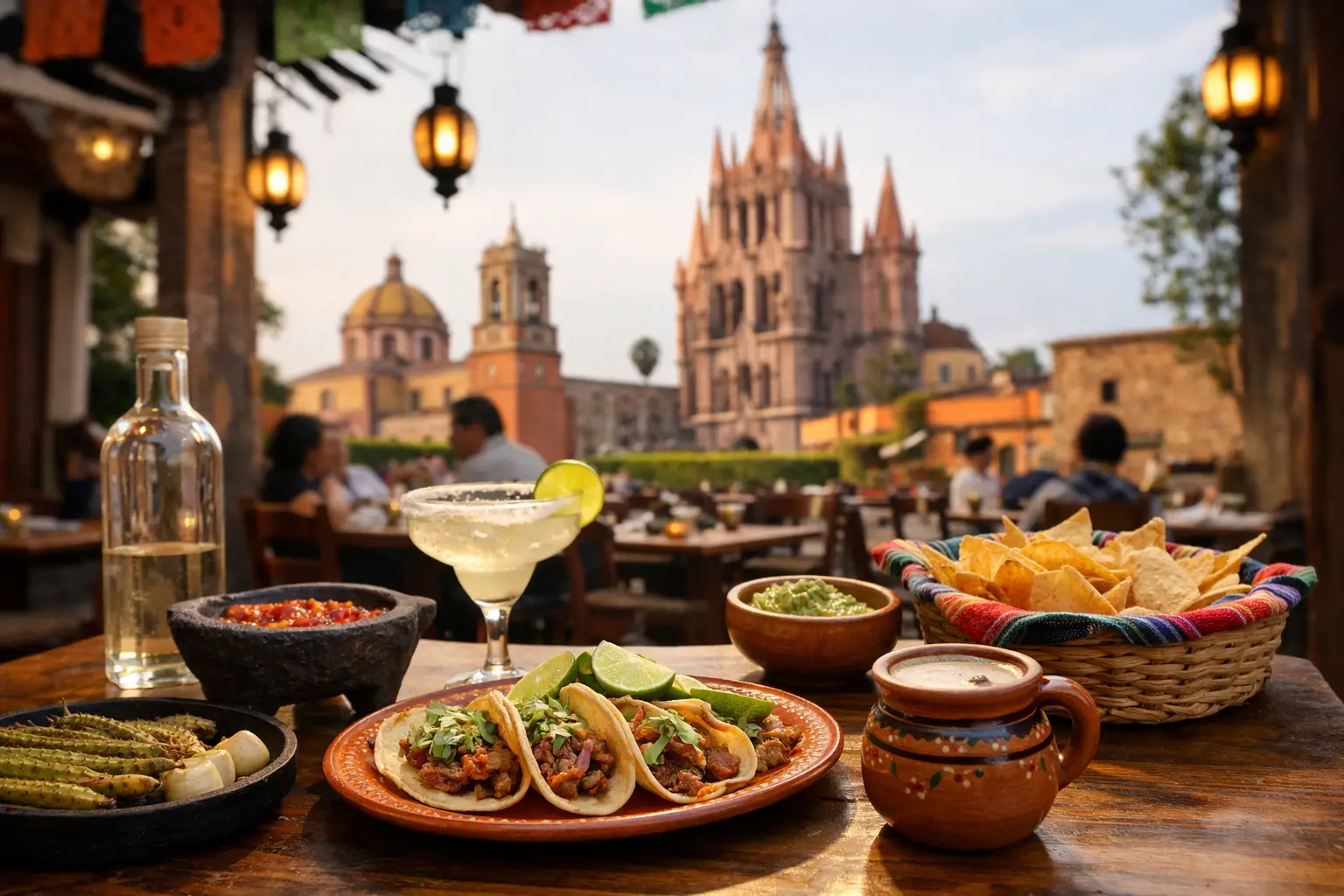


What Makes Tacos Authentic? A Chef’s View
November 16, 2026 | by
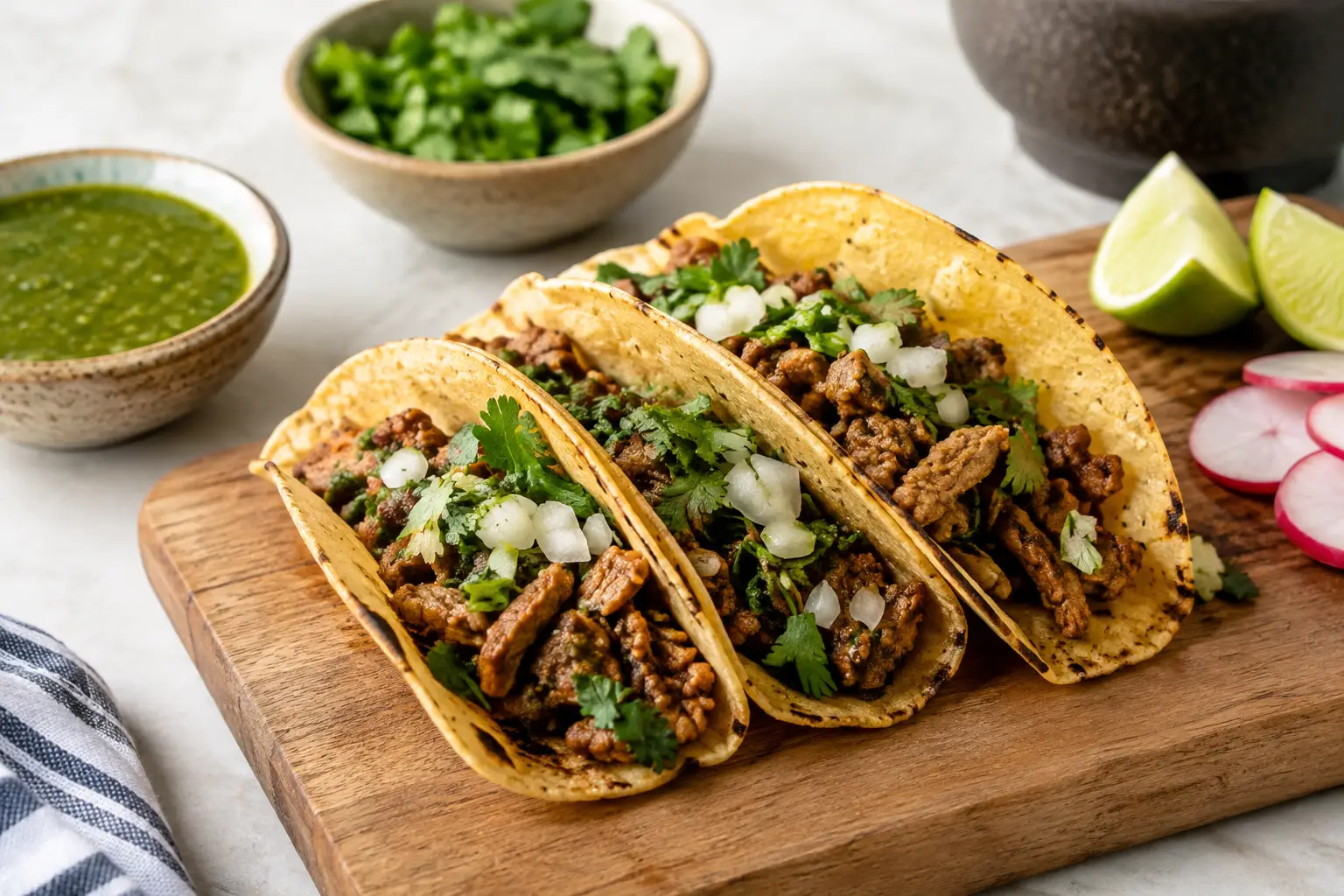
A taco can be a quick breakfast eaten standing at a market counter, a late-night plate shared with friends, or a Sunday meal that brings a family to the same neighborhood stand they have visited for years. That is why the question, what makes tacos authentic, has no one-word answer. It is not a checklist of ingredients, and it is certainly not about whether a taco looks exactly like the one you had on a previous trip.
A real taco carries a place, a cook’s hand, and a reason for being served. In Mexico, tacos change from one block to the next, let alone from one state to another. The best way to recognize authenticity is to look beyond the tortilla and notice the traditions behind it.
What Makes Tacos Authentic in Mexico?
Authenticity begins with context. A taco is not a fixed recipe that Mexico agreed on long ago. It is a living food, shaped by local crops, migration, religious celebrations, work schedules, family habits, and the ingredients a cook can get that morning.
In San Miguel de Allende, for example, you may find tacos made with ingredients and methods rooted in Guanajuato, while cooks from other regions bring their own memories and specialties to the city. A taquero might prepare a salsa the way their grandmother did in Hidalgo. Another may season meat according to a recipe learned in Mexico City. Both can be authentic because both come from real knowledge and a real food tradition.
That does not mean anything folded into a tortilla automatically becomes a Mexican taco. Authenticity is about respect for the food’s foundations, plus an honest connection to the people and place preparing it.
The tortilla is the starting point
For most Mexican tacos, the tortilla is corn. It is not merely a holder for the filling. It is part of the flavor, texture, aroma, and identity of the taco.
A warm corn tortilla has a gentle sweetness and the scent of toasted corn. It should bend without cracking, hold its filling without turning gummy, and add its own character to every bite. Many excellent tacos use tortillas made from masa prepared with nixtamalized corn, an ancient process in which corn is cooked and steeped with lime. This improves both flavor and nutrition and creates the masa that makes Mexican tortillas so distinctive.
Flour tortillas are also completely authentic in many parts of Mexico, especially in the north. The mistake is not using flour. The mistake is assuming every Mexican taco should use it. A great flour tortilla with carne asada in Sonora belongs to its region just as much as a small corn tortilla with barbacoa belongs to another.
A filling needs a purpose
Mexican taco fillings are often simple, but simplicity is not carelessness. The cook has chosen a cut of meat, a cooking method, a tortilla size, and a salsa that work together.
Carnitas are slowly cooked until the meat is tender and rich. Barbacoa is traditionally cooked slowly, often with techniques that create deep flavor and softness. Tacos al pastor bring together marinated pork, a vertical spit, heat, and a little pineapple for contrast. A taco de guisado may feature a home-style stew, beans, potatoes, eggs, or vegetables tucked into a soft tortilla.
The filling should not be piled so high that you need a fork and a strategy meeting to eat it. A taco is meant to be picked up, folded, and enjoyed while it is hot. Portions are modest because tacos are often ordered in a few different varieties, each with its own personality.
Salsa Is Not a Decoration
If the tortilla is the foundation, salsa is often the voice of the taco. A good salsa can be bright, smoky, sharp, earthy, spicy, or all of those at once. It is made to complement the filling, not simply make your mouth burn.
A green salsa might use tomatillos, chiles, garlic, onion, and herbs. A red salsa may get its depth from dried chiles or charred tomatoes. Some are smooth, some are rough from a molcajete, and some are thin enough to spoon carefully over a taco. The same taco can taste completely different with a different salsa.
Spice is part of the pleasure, but it is not a test of courage. Mexicans ask which salsa you want because each one brings a different flavor. Start with a small amount if you are unsure. You can always add more. The person at the stand will usually be happy to guide you, especially if you ask what they recommend with a particular taco.
The Small Details Tell You a Lot
Onions, cilantro, lime, radishes, cucumbers, nopales, and pickled vegetables may look like minor extras, but they bring balance. Rich meat needs brightness. A warm, soft taco often benefits from something crisp or acidic. These details are part of the cook’s logic.
There is also the matter of timing. Tacos are their best when the tortilla is just heated, the filling is fresh from the plancha or pot, and the salsa has not been sitting under a lid for hours. At a busy stand, you can often watch the rhythm: tortillas warming, meat being chopped, orders called out, and plates leaving quickly. That movement is a good sign. Tacos are food with a short window of perfection.
Authenticity does not require a plastic stool, a bustling sidewalk, or a handwritten sign. There are wonderful tacos in modest markets, neighborhood restaurants, and polished dining rooms. Still, the food should feel connected to the cook’s specialty rather than built around a generic idea of Mexican food.
Regional Difference Is Part of the Point
Travelers sometimes look for one definitive Mexican taco, then feel surprised when every place does it differently. But regional difference is exactly what makes tacos so exciting.
In the Yucatán, you may find tacos influenced by recados, citrus, and local pork dishes. In Baja California, seafood tacos reflect the coast and a love of crisp batter, fresh fish, and creamy sauces. Northern states are known for beef and flour tortillas. Central Mexico offers an enormous range of tacos from street grills, steaming baskets, comales, and slow-cooked pots.
Even the word taco can stretch. Some tacos are small and neatly folded. Others are served with two tortillas for support. Tacos dorados are crisp and fried. Tacos de canasta are soft, filled, and kept warm in a basket. The format changes, but the relationship between tortilla, filling, seasoning, and local custom remains.
This is why authenticity should never become food policing. A taco can evolve when cooks move, ingredients travel, and families adapt recipes to a new city. Mexican food has always done this. The better question is whether the evolution has care, understanding, and flavor behind it.
How to Order Tacos Like a Curious Guest
You do not need perfect Spanish or expert knowledge to eat well in Mexico. A little curiosity goes a long way. Ask what the house specialty is. Notice what local families order. If a stand offers only a few tacos, that can be a very good sign: the cook may be focused on doing those few things beautifully.
Order two or three tacos rather than one overloaded plate. Try them first as served, then add salsa, lime, or toppings gradually. If you see two tortillas, use both. They are there to keep the taco together and catch the flavorful bits that fall out.
And do not judge a taco only by how photogenic it is. Some of the most satisfying tacos look humble: a little chopped meat, a spoonful of salsa, onions, cilantro, and a warm tortilla. Their magic is in proportion and freshness.
When we share tacos with guests at Unforgettable Culinary Traditions, we talk about the people behind the counter as much as the plate in front of us. Knowing why a cook chooses a certain chile, cut of meat, or tortilla makes every bite more meaningful. You do not just taste Mexico. You begin to understand the everyday decisions that keep its food traditions alive.
The next time you sit down with a plate of tacos, take a moment before adding every topping at once. Smell the tortilla, taste the filling, ask about the salsa, and let the taco tell you where it comes from. That is where the real pleasure begins.
RELATED POSTS
View all


How to Read Mexican Dining Experience Reviews
November 12, 2026 | by